
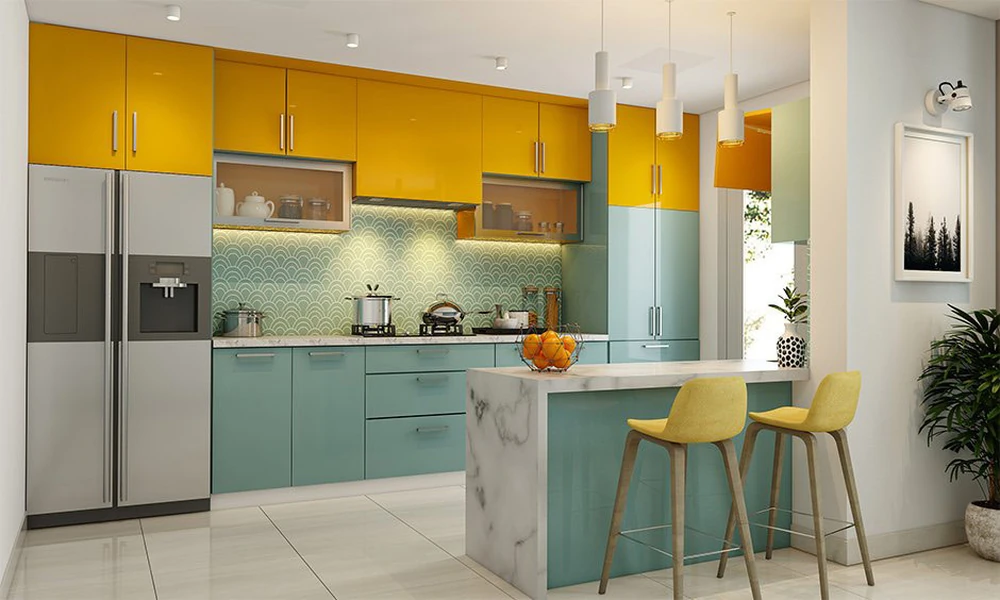
A kitchen’s first impression is made long before anyone tastes the food. The shine, texture, and feel of its cabinets define both style and function. In today’s world, the materials behind those doors are just as important as the dishes hidden within. But what really sets modern kitchen cabinet materials apart?
Defining Modern Kitchen Cabinet Materials
The journey from traditional carpentry to sleek, modern kitchens has transformed not only how cabinets look, but also what they are made of. While hardwoods and simple finishes once dominated, today’s kitchens feature cutting-edge composites, high-gloss synthetics, and eco-friendly alternatives.
Traditional vs. Modern Material Trends
Decades ago, oak, cherry, and maple were kitchen royalty. Their natural grain and warmth made every kitchen feel like home. Now, the playbook has expanded. Modern designers mix woods with glass, metal, and engineered products to deliver striking visual contrasts and smarter storage.
Key Characteristics of Contemporary Materials
Modern cabinet materials are distinguished by their versatility, resistance to wear and tear, and a broader color palette. The shift towards clean lines and seamless finishes has also pushed manufacturers to develop materials that can handle frequent cleaning, temperature swings, and the occasional kitchen spill.
Wood-Based Cabinets: Classic Warmth Meets Innovation
There’s no denying the appeal of wood, its grain, depth, and texture are timeless. Yet, even here, innovation is everywhere.
Solid Wood Varieties and Their Modern Uses
Solid wood is often reserved for showpiece doors and drawer fronts, with maple, birch, and walnut leading the pack. These woods are favored for their durability, ability to hold finishes, and unique markings.
Engineered Wood: MDF, Plywood, and Particleboard Comparisons
Engineered wood products, medium-density fiberboard (MDF), plywood, and particleboard, bring affordability and stability. MDF is smooth and perfect for painted finishes, while plywood’s layered construction resists warping. Particleboard is budget-friendly but less moisture-resistant.
| | Solid Wood | MDF | Plywood | Particleboard |
|—————-|————|————|———–|—————|
| Cost | $$$ | $$ | $$ | $ |
| Durability | High | Medium | High | Low-medium |
| Finish Options | Stain/Paint| Paint | Stain/Paint| Paint |
| Moisture Resistance | Medium | Medium-high| High | Low |
Finishing Techniques That Elevate Wood Cabinets
Modern finishes run from hand-rubbed oils and stains to UV-cured lacquers. These processes add not just color but also protective layers that fend off scratches and moisture.
Laminates and Veneers: Affordable Style and Durability
Some of the most fashionable kitchens don’t use wood at all. Laminates and veneers can mimic everything from rare wood grains to bold, contemporary patterns.
Differences Between Laminates and Veneers
Veneers are thin slices of real wood glued to a core panel, while laminates are synthetic layers bonded to a base. Veneers retain a touch of authentic grain; laminates put virtually any look within reach, from glossy solids to textured prints.
Design Flexibility and Pattern Options
Laminates can achieve ultra-modern, super-glossy, or even industrial looks. Veneers, meanwhile, add subtlety, bringing a sense of craftsmanship. Both make it easy to match or contrast cabinets with any countertop or tile.
Maintenance and Longevity Considerations
Laminates are generally more resistant to stains and easier to clean, ideal for families or rental properties. Veneers, being real wood, can be sanded and refinished, offering longer-term flexibility.
Thermofoil and Acrylic: Sleek Surfaces for Modern Kitchens
High-gloss, seamless cabinet doors are in vogue, and that’s where thermofoil and acrylic make their mark.
Material Composition and Manufacturing Process
Thermofoil is made by heat-fusing a vinyl layer over engineered wood, creating a uniform finish. Acrylic panels, meanwhile, use a durable plastic surface that’s especially vibrant in color.
Visual Appeal: Glossy vs. Matte Finishes
Acrylics offer dazzling gloss and deep, uniform colors, perfect for minimalism or bold accents. Thermofoil provides a softer sheen and is available in both matte and glossy versions.
Impact Resistance and Cleaning Ease
Both are popular because they shrug off everyday spills and wipes. Acrylic is more scratch-resistant, while thermofoil is less prone to fingerprints.
Metal and Glass Cabinets: Industrial and Contemporary Fusion
For those chasing an industrial or high-contrast look, metals and glass are now mainstream options.
Stainless Steel: Benefits and Drawbacks
Stainless steel cabinetry is unmatched for hygiene and durability, resisting heat and water with ease. It does, however, show fingerprints and can feel cold or clinical.
Glass Panel Options: Frosted, Clear, and Textured
Glass panels lighten the room, reflect light, and display curated dishware. Frosted glass hides clutter, while clear glass creates an open feel. Textured glass plays with light and depth.
Combining Materials for Unique Design Statements
Mixing glass, metal, and wood allows for striking juxtapositions, think walnut frames with frosted glass inserts, or steel handles on matte acrylic doors.
Eco-Friendly Cabinet Materials: Sustainability in Focus
Sustainability is no longer a fringe concern; it is a design priority.
Recycled and Renewable Material Choices
Bamboo, reclaimed wood, and recycled composites are gaining traction. They offer durability with a smaller ecological footprint.
Low-VOC Finishes and Their Importance
Low-VOC (volatile organic compound) finishes help maintain indoor air quality, essential for health-conscious homeowners.
Durability and Style without Environmental Compromise
Today’s eco-friendly cabinets rival traditional options in looks and lifespan, squashing the myth that green means “less.”
Comparing Price Points and Value Across Materials
Understanding cost differences helps homeowners make smart choices.
| Material Type | Typical Price Range | Durability | Warranty/Service |
|——————-|——————–|————-|——————|
| Solid Wood | High | High | Often robust |
| Plywood | Moderate | High | Good |
| MDF/Thermofoil | Moderate | Medium | Varies |
| Acrylic | High | High | Premium |
| Laminate | Low to moderate | Medium | Standard |
Upfront Costs vs. Long-Term Investment
While some options like acrylic command higher upfront prices, their longevity and low maintenance pay off over time.
Service and Warranty Differences by Material Type
Premium materials often come with stronger warranties, and reputable suppliers like Kitchen Wholesalers offer service packages that add peace of mind.
Quick Delivery and Availability in Modern Cabinets
Engineered materials and ready-to-assemble lines often deliver faster than custom solid wood, a huge plus for speedy renovations.
How Material Choices Influence Kitchen Design Styles
A cabinet’s material sets the tone for the entire kitchen.
Minimalist and Modern Aesthetics: Best Material Matches
Acrylic, glass, and high-gloss laminates shine in minimalist settings, creating clean, reflective surfaces.
Transitional and Classic Looks with Contemporary Materials
Combining painted woods, elegant veneers, and subtle metal accents bridges the gap between modern and traditional.
Customization Options Enabled by Material Technology
Today’s technology allows unusual shapes, mixed textures, and custom colors unavailable just a decade ago.
Final Considerations: Balancing Material, Function, and Style
Choosing the right cabinet material requires a balance of beauty, durability, and day-to-day practicality.
Matching Cabinets with Countertops and Hardware
Cohesion between cabinet surfaces, hardware, and countertops creates a unified look. For instance, pairing matte cabinets with a quartz countertop brings modern sophistication.
Maintenance Demands and Lifestyle Suitability
Consider busy households, rental units, or avid cooks, some materials require more care than others.
Making Your Choice: Practical Tips for Homeowners
Start by listing your top priorities: budget, style, maintenance, and sustainability. Visit showrooms, request samples, and don’t hesitate to ask suppliers for guidance. In the end, the right choice not only elevates your kitchen’s function but also turns it into a space you’ll love for years.