
More Than Just a Pretty Roof
Energy efficiency is one of the biggest advantages of metal roofing, yet few homeowners fully understand the science behind it. While traditional materials absorb and trap heat, metal roofs are engineered to reflect sunlight, regulate temperature, and reduce energy consumption. This combination of physics and design allows homes to stay cooler in summer, warmer in winter, and more comfortable year-round—all while lowering utility costs.
Beyond comfort, energy efficiency is also about sustainability. Metal roofing helps reduce greenhouse gas emissions by decreasing the need for constant heating and cooling. With modern coatings, advanced insulation systems, and intelligent installation techniques, metal roofs turn science into savings. For homeowners looking to invest in performance as well as style, energy efficiency is one of metal roofing’s most powerful features.
Reflectivity: Turning Away the Heat
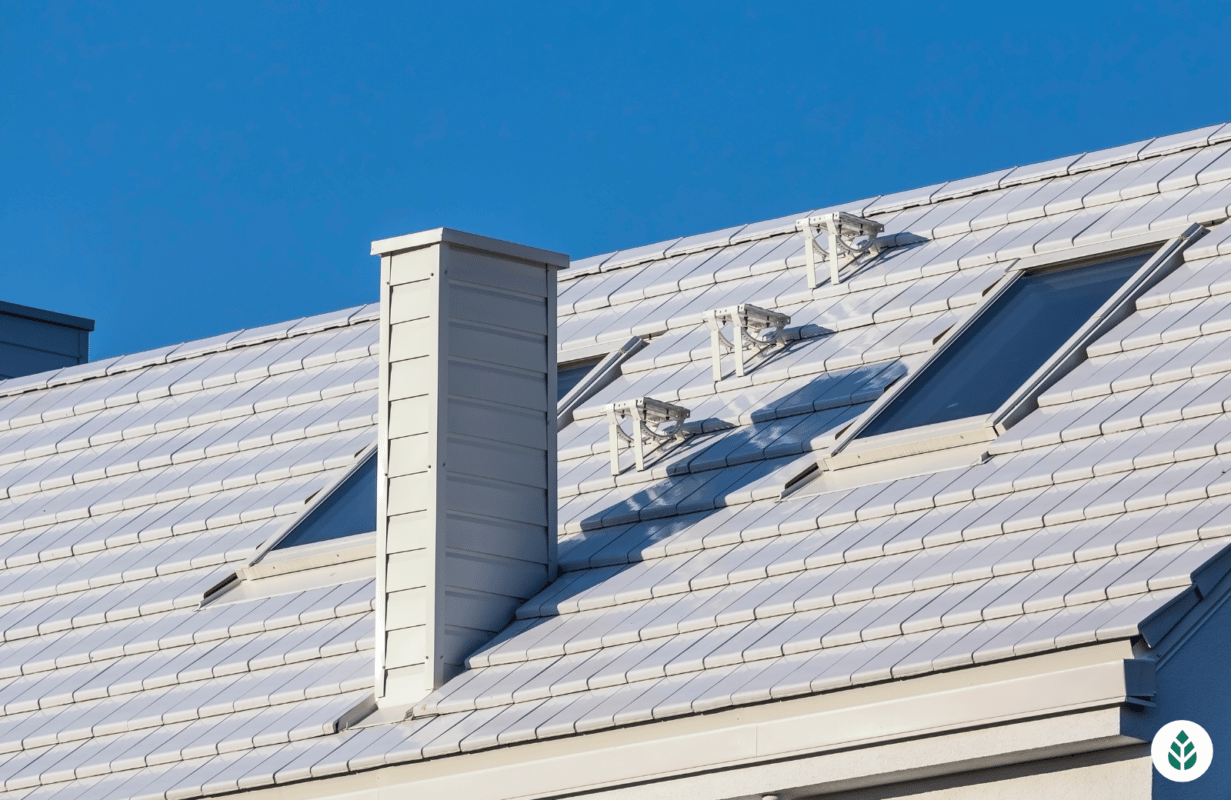
The first key to energy efficiency lies in solar reflectivity. When sunlight hits a roof, much of that energy is converted into heat. Conventional roofing materials like asphalt absorb most of it, raising surface temperatures by as much as 30°C above ambient air levels. Metal roofing, however, works differently. Its reflective properties bounce a significant portion of that solar energy back into the atmosphere, preventing it from penetrating the home.
Reflectivity depends on both colour and coating. Lighter hues naturally reflect more light, but modern reflective pigments make even darker roofs efficient. This technology allows homeowners to enjoy bold styles without sacrificing comfort. Studies show that a properly coated metal roof can reduce surface temperatures by up to 25%, helping keep interiors cooler and lowering air conditioning use during peak summer months.
Emissivity: Letting Heat Escape
While reflectivity deals with how sunlight is managed, emissivity determines how effectively a roof releases the heat it does absorb. High-emissivity materials radiate stored heat back into the atmosphere instead of holding it. Metal roofing excels in this regard, cooling quickly once direct sunlight fades. This rapid heat release helps maintain consistent indoor temperatures and prevents the attic from becoming a heat trap.
Emissive coatings—often applied as part of a roof’s paint or finish—further enhance this capability. They ensure the metal dissipates heat evenly across its surface. The result is improved thermal balance and less strain on HVAC systems. Together, reflectivity and emissivity create a powerful synergy that keeps homes naturally cooler with minimal energy input.
Insulation and Ventilation: The Unsung Heroes
Energy efficiency doesn’t end at the roof’s surface. Proper insulation and ventilation work hand-in-hand with metal roofing to create an energy-optimized system. Insulation beneath the panels reduces heat transfer between the roof and the interior, maintaining stable indoor temperatures regardless of the season. In winter, this barrier helps prevent heat loss, while in summer it blocks heat gain.
Ventilation, meanwhile, ensures air can flow freely through the attic space, reducing humidity and preventing condensation. Ridge vents, soffit vents, and other airflow mechanisms allow trapped warm air to escape, enhancing both efficiency and longevity. When insulation and ventilation are balanced correctly, the home’s heating and cooling systems operate more efficiently, reducing costs and extending roof life.
Cool Roof Coatings: The Science of Smart Surfaces
One of the most advanced innovations in modern metal roofing is the development of cool roof coatings. These specialized finishes combine reflective pigments with protective polymers to increase solar reflectance and thermal emittance. Essentially, they allow roofs to stay cooler even under intense sunlight.
Cool roof coatings have been shown to lower roof surface temperatures by up to 15°C, directly improving indoor comfort and reducing the need for air conditioning. They also prevent premature material degradation caused by UV exposure. In regions with hot summers and cold winters, these coatings adapt seamlessly, offering benefits across all seasons. This technology is not only practical but also environmentally responsible, supporting Canada’s broader energy-conservation goals.
Seasonal Benefits: Efficiency Year-Round
Energy efficiency with metal roofing isn’t limited to summer months. In winter, metal roofs continue to perform by retaining heat within the home. The material’s tight seams and interlocking design reduce air leakage, while reflective coatings work in reverse—bouncing radiant heat back inside. This dual-season efficiency keeps interiors comfortable and heating costs manageable.
Another advantage is how metal roofs manage snow. Their smooth surface allows snow to slide off naturally, preventing ice dams that can lead to costly heat loss and water damage. Less snow accumulation means less insulation disruption and fewer temperature fluctuations inside. Regardless of season, the roof continues to regulate energy use efficiently and consistently.
Environmental Impact: Energy Savings Meet Sustainability
Energy efficiency and environmental responsibility go hand in hand. By lowering energy consumption, metal roofs help reduce greenhouse gas emissions from heating and cooling systems. Over decades, this translates into a significant reduction in a home’s carbon footprint. Additionally, most metal roofing materials are made from recycled content and are 100% recyclable at the end of their lifespan, further contributing to sustainability.
Because of their durability, metal roofs rarely need replacing, which means less waste in landfills and fewer resources spent on manufacturing new materials. Combined with their reflective and emissive properties, they represent one of the most eco-friendly roofing options available today. Choosing metal roofing supports not only household efficiency but also broader environmental stewardship.
The Financial Advantage of Efficiency
The science of energy efficiency doesn’t just benefit the planet—it helps homeowners’ wallets too. Reduced heating and cooling demands translate directly into lower monthly utility bills. Over time, these savings can offset a significant portion of the roof’s initial cost. Studies indicate that homes with metal roofing can save up to 25% annually on energy compared to those with traditional materials.
Moreover, the durability of metal roofing means fewer repairs and replacements. Combined with potential insurance discounts and increased resale value, the financial advantages extend far beyond energy savings. Investing in efficiency today ensures comfort, sustainability, and long-term value tomorrow.
Smart Science, Smarter Savings
Energy efficiency isn’t a marketing buzzword—it’s measurable, reliable, and built into every modern metal roof. Through reflectivity, emissivity, insulation, and innovative coatings, metal roofing transforms sunlight into savings and weather into comfort. It’s a fusion of science and sustainability that benefits both homeowners and the environment. For those looking to reduce energy costs without compromising style, metal roofing stands as proof that smart design starts from the top down.