

Historical Use of Asbestos in Military Construction
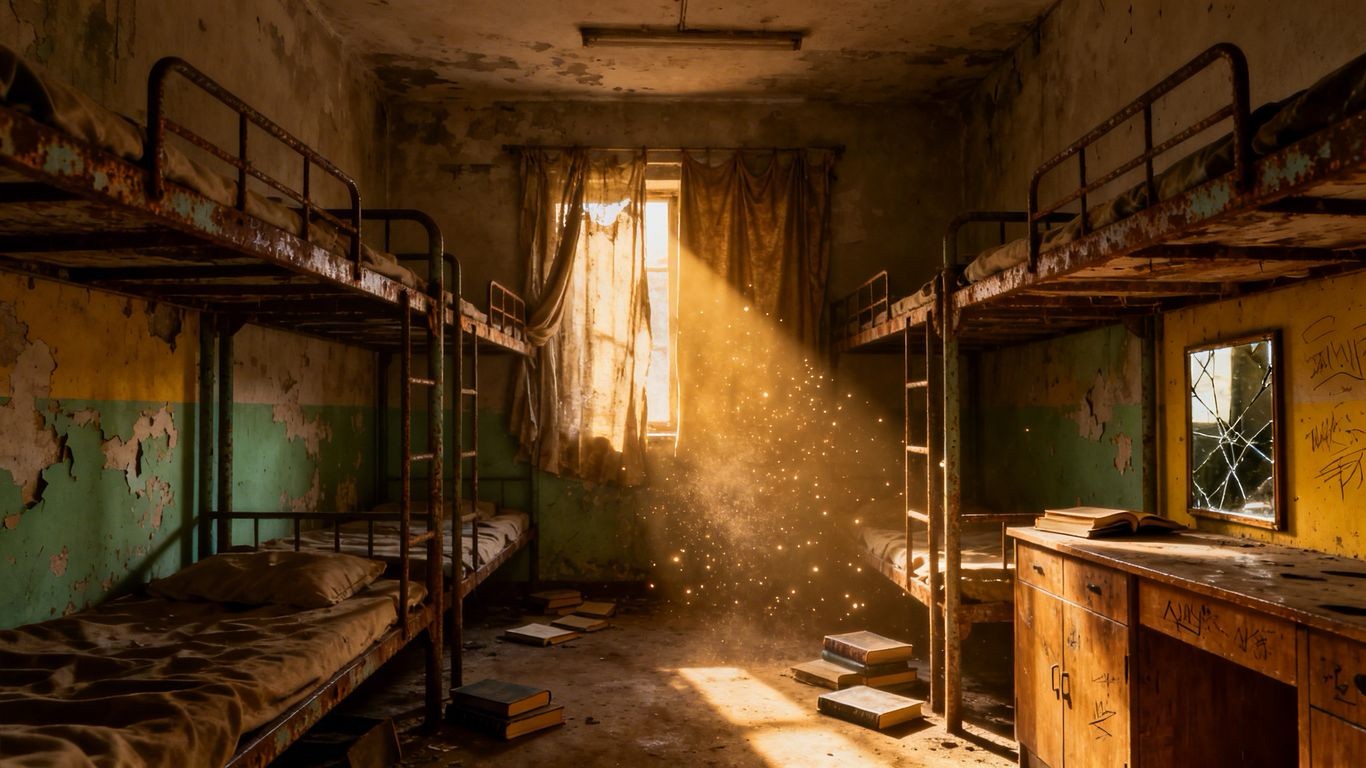
For decades, asbestos was a go-to material in military construction. Think about it: it’s tough, it insulates well, and it doesn’t burn easily. These qualities made it seem like a smart choice for building everything from barracks and mess halls to administrative buildings and even the infrastructure that kept bases running. From the 1930s through the 1980s, its use was widespread. The military saw it as a way to protect both service members and valuable equipment. Unfortunately, this widespread application meant that asbestos-containing materials were everywhere, woven into the very fabric of military life. Veterans who develop peritoneal mesothelioma from this era of exposure can explore options for legal assistance for peritoneal mesothelioma through firms experienced in military asbestos litigation.
Identifying High-Risk Occupations and Roles
While many people on military bases could have encountered asbestos, certain jobs put individuals at a much higher risk. Those who worked directly with building materials, like construction crews, carpenters, painters, and plumbers, were often exposed when installing or repairing structures. Maintenance workers, especially those dealing with boilers and pipes, also faced significant exposure. Even aircraft mechanics and their support staff were in danger, as asbestos was used in various aircraft parts, from brakes to engine components and insulation. Essentially, anyone whose job involved building, repairing, or maintaining the physical plant or the equipment used on base was more likely to come into contact with these hazardous fibers.
The Pervasive Presence of Asbestos-Containing Materials
It’s hard to overstate just how common asbestos was. It wasn’t just in the big structural elements; it was in a huge variety of products. We’re talking about things like insulation, ceiling tiles, floor tiles, adhesives, sealants, drywall, and even cement foundations. In aircraft, it showed up in brakes, engine parts, electrical wiring insulation, and cockpit heating systems. This means that asbestos wasn’t just a construction issue; it was present in the everyday environment where service members lived and worked. The sheer ubiquity of these materials meant that exposure wasn’t limited to a few specific tasks but could occur during routine activities and maintenance work across the installation.
Long-Term Health Consequences of Living in Contaminated Barracks
Latency Periods and Delayed Symptoms
One of the most insidious aspects of asbestos exposure is the significant latency period it carries. This means that even after someone has been exposed to asbestos fibers, it can take many years, often decades, for any related health problems to appear. This delay can make it difficult to connect current illnesses to past exposures, especially for individuals who served in the military years ago. The microscopic asbestos fibers, once inhaled, can lodge themselves in the lung tissue and chest lining, slowly causing damage over time. This prolonged incubation period is a primary reason why many veterans may not realize the extent of their risk until much later in life.
Specific Asbestos-Related Diseases
Exposure to asbestos, particularly in environments like military barracks where it was widely used in construction materials, can lead to several serious and often fatal diseases. These include:
- Mesothelioma: A rare but aggressive cancer that affects the lining of the lungs, abdomen, or heart.
- Lung Cancer: Asbestos exposure significantly increases the risk of developing lung cancer, often indistinguishable from lung cancer caused by smoking without a detailed medical history.
- Asbestosis: A chronic lung disease characterized by scarring of lung tissue, leading to shortness of breath and reduced lung function.
- Other Cancers: Increased risks have also been linked to cancers of the larynx, ovaries, and potentially other organs.
Secondary Exposure Risks for Families
The danger of asbestos doesn’t always stop with the service member. Asbestos fibers are known to cling to clothing, skin, and hair. When service members returned home from work in contaminated barracks or facilities, they could inadvertently carry these fibers back to their families. Activities like doing laundry, hugging a loved one, or even just being in the same living space could lead to secondary exposure for spouses, children, and other household members. This means that family members who never worked directly with asbestos could still develop asbestos-related illnesses years later, highlighting the pervasive nature of the threat. Spouses and children of service members are encouraged to review information on peritoneal mesothelioma risks and symptoms, as abdominal forms of the disease are common among those with secondary exposure military personnel exposed to asbestos during service may develop serious health issues like mesothelioma, asbestosis, and lung cancer. Veterans facing these conditions due to their service can seek legal recourse..
Occupational Hazards and Asbestos Exposure
Construction and Maintenance Workers
Many jobs within the military involved working directly with materials that contained asbestos. Construction and maintenance crews, for instance, were often tasked with building and repairing barracks, hangars, and other facilities. These workers frequently handled asbestos-containing products like cement sheets for roofing and walls, insulation for pipes and boilers, and drywall. Cutting, sanding, or disturbing these materials released fine asbestos fibers into the air, which were then inhaled. This constant exposure put them at a high risk for developing serious lung conditions over time.
Aircraft Mechanics and Support Personnel
Working on aircraft presented its own set of asbestos hazards. Aircraft mechanics and their support staff dealt with numerous components that used asbestos for its heat and fire-resistant properties. This included gaskets, seals, brake linings, insulation in engine compartments, and even some flooring and paneling. When these parts were repaired, replaced, or simply aged, asbestos dust could become airborne. Even cleaning or working near these components could lead to exposure.
Boiler and Pipefitters
Personnel responsible for maintaining the heating and plumbing systems, such as boiler and pipefitters, faced significant asbestos exposure. Boilers, pipes, and associated equipment were heavily insulated with asbestos materials to manage heat and prevent energy loss. Working on these systems often required removing old insulation, fitting new asbestos lagging, or repairing damaged sections. This process inevitably stirred up asbestos fibers, creating a hazardous environment for those working in boiler rooms and mechanical spaces.
The Enduring Threat of Legacy Asbestos
Asbestos in Building Materials
Even though we know asbestos is bad for our health, it’s still around in many older buildings, including military barracks. This material was used a lot in construction because it’s tough and fire-resistant. Think about things like cement sheets used for walls, roofing, and even as a fireproofing material around boilers and heaters. It was also shaped into boards and lumber-like products. The problem is that these materials can break down over time, releasing tiny fibers into the air. These fibers are so small you can’t see them, but they can cause serious health issues if you breathe them in. It’s a real challenge because these materials are often hidden within the structure of the buildings, making them hard to spot without specific testing. Many companies produced these asbestos-containing products, and their use was widespread across various construction projects.
Risks During Renovation and Demolition
When older buildings are worked on, especially during renovations or demolition, the risk of asbestos exposure goes way up. Cutting into walls, breaking up concrete, or tearing down structures can stir up those hidden asbestos fibers. This is a big concern for construction workers, maintenance staff, and anyone working on or near these sites. Even if the asbestos hasn’t been disturbed for years, these activities can turn a dormant threat into an active hazard. It’s not just about the people doing the work; dust can travel, potentially exposing others nearby. Proper procedures, like containment and abatement, are absolutely necessary to manage this risk. This is why testing for asbestos before any work begins is so important.
Ongoing Concerns in Existing Structures
Many barracks and other military buildings constructed decades ago still contain asbestos materials. While they might seem fine on the surface, the threat remains. These materials can degrade slowly, or they can be disturbed by everyday activities, vibrations, or minor damage. This means that people living or working in these structures, even today, could be exposed to asbestos fibers. The long latency period for asbestos-related diseases means that symptoms might not appear for many years, making the connection to past exposure difficult to trace. This ongoing presence is a serious issue that requires careful management and awareness for anyone who has spent time in older military housing or facilities. Those diagnosed should consult resources on peritoneal mesothelioma prognosis and support to understand the full range of medical and financial assistance available.
Legal Recourse and Support for Affected Individuals
Pursuing Compensation Through Legal Action
For individuals who developed asbestos-related illnesses due to their time in military barracks, seeking compensation can be a complex process. While direct lawsuits against the military are generally not an option, legal avenues exist to hold responsible parties accountable. Many companies that manufactured or supplied asbestos-containing materials knew about the health risks but continued to use them. This knowledge, often documented in internal company records, forms the basis for legal claims. Pursuing a lawsuit can help recover damages for medical expenses, lost wages, and pain and suffering. It is important to consult with an attorney experienced in asbestos litigation to understand your rights and the best strategy for your specific situation.
Asbestos Trust Funds and Claims
Numerous companies that once produced or used asbestos have since filed for bankruptcy. As part of their reorganization, these companies were required to establish trust funds to compensate individuals harmed by their products. These trusts hold billions of dollars and are set up to handle claims from those diagnosed with asbestos-related diseases. Navigating these trust funds can be intricate, requiring specific documentation and adherence to claim procedures. An experienced legal professional can assist in identifying which trusts may be applicable to your case and guide you through the claims process to secure the compensation you are entitled to. Patients with an abdominal diagnosis can find relevant peritoneal mesothelioma patient information to help them communicate their condition clearly when filing claims.
Veterans Affairs Benefits and Assistance
Veterans who have been diagnosed with asbestos-related conditions may be eligible for benefits through the Department of Veterans Affairs (VA). The VA provides various forms of support, including healthcare services, disability compensation, and other assistance programs. It is important for veterans to inform their healthcare providers about their history of asbestos exposure, particularly if it occurred during their military service. Gathering evidence of exposure and the resulting diagnosis is key to a successful VA claim. Assistance from a qualified attorney or a veterans’ advocate can be instrumental in preparing and submitting a comprehensive application for these benefits.
Recognizing Symptoms and Seeking Medical Attention
Living or working in environments with asbestos can lead to serious health issues, but these problems often don’t show up for many years. This long delay, known as a latency period, means that individuals might not experience any symptoms for decades after their initial exposure. It is vital for anyone who suspects they may have been exposed to asbestos, particularly in older barracks or during renovation projects, to be aware of potential warning signs and to seek appropriate medical evaluation.
Warning Signs of Asbestos-Related Illnesses
Asbestos exposure can result in several serious lung conditions. The symptoms can be subtle at first and may be mistaken for more common ailments. It’s important to note these potential indicators:
- Persistent cough: A cough that doesn’t go away, sometimes producing mucus.
- Shortness of breath: Difficulty breathing, especially during physical activity.
- Chest pain or tightness: A feeling of pressure or discomfort in the chest.
- Unexplained weight loss: Losing weight without trying.
- Fatigue: Feeling unusually tired or lacking energy.
These symptoms can be indicative of conditions such as asbestosis, a scarring of the lungs, or more severe diseases like lung cancer and mesothelioma. Early detection is key to managing these conditions. Veterans experiencing abdominal discomfort alongside the symptoms above should specifically review peritoneal mesothelioma diagnosis resources to understand how this form of the disease is evaluated.
Importance of Consulting Specialized Physicians
If you have a history of potential asbestos exposure, it is highly recommended to inform your primary care physician. They can then refer you to specialists who are knowledgeable about asbestos-related diseases. These medical professionals have the specific training and diagnostic tools to accurately identify and treat conditions caused by asbestos fibers. They can perform tests like chest X-rays, CT scans, and pulmonary function tests to assess lung health. Discussing your past work or living environments, such as time spent in older military barracks, is a critical step in the diagnostic process. Understanding the risks associated with asbestos exposure is the first step toward proactive health management.
Monitoring Health After Potential Exposure
Even if you feel healthy, ongoing monitoring is advisable if you have a documented history of asbestos exposure. Regular medical check-ups can help catch any developing health issues at their earliest stages. This might involve:
- Annual physical examinations: Discussing any new or worsening symptoms with your doctor.
- Pulmonary function tests: To track lung capacity and efficiency over time.
- Imaging scans: Periodic X-rays or CT scans as recommended by your specialist.
Maintaining open communication with healthcare providers and being vigilant about your health are crucial steps for anyone who may have been exposed to asbestos in the past, especially in settings like older military housing.